


Will these voters stand by the GOP?
Increasingly uneasy over Trump, women in Texas suburbs may stray
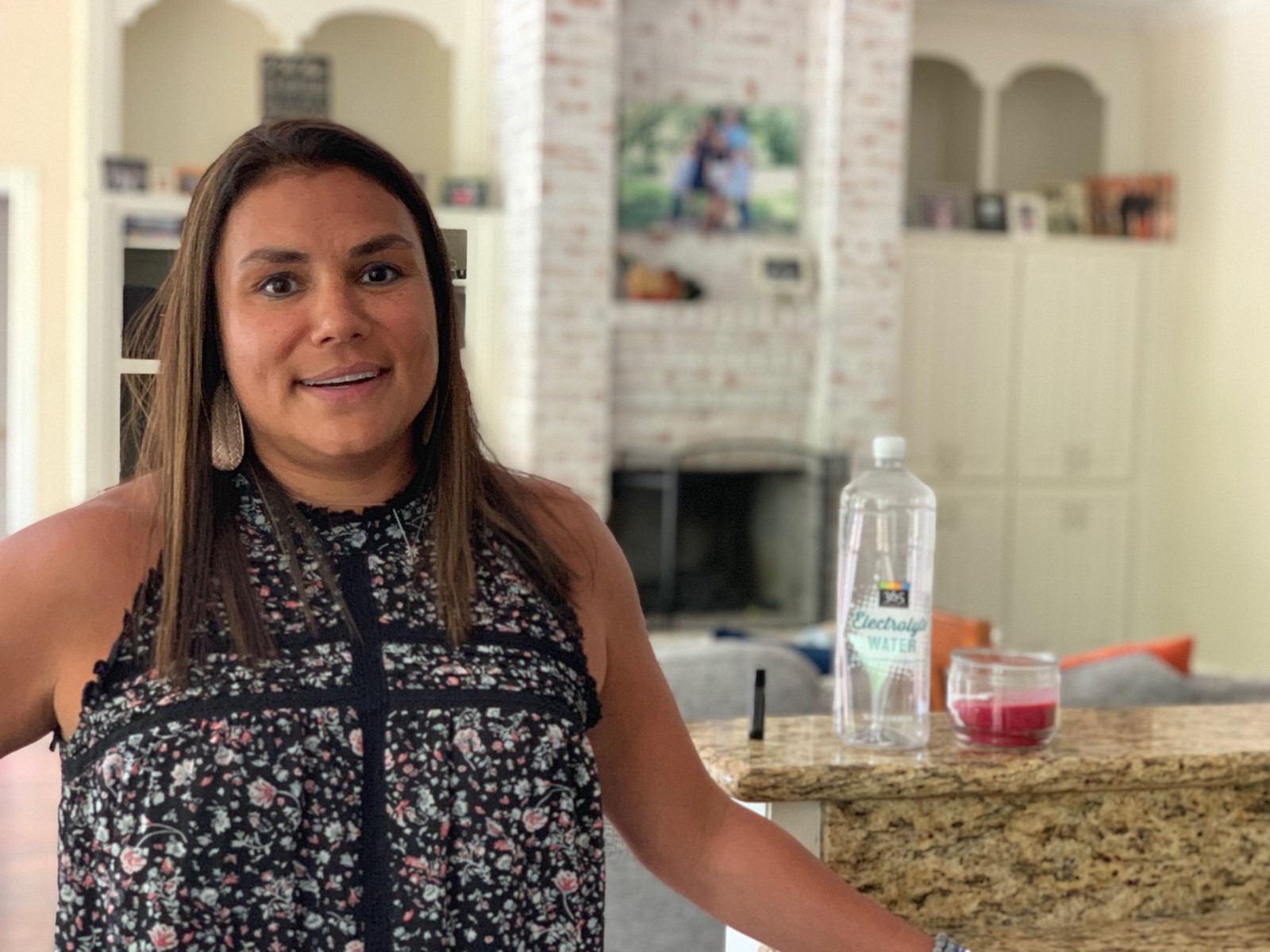


These days, though, Steinkamp feels alienated, not energized, by her party. The thought of voting in 2020 brings on a weary sigh.
“It feels like there’s no place for lifelong Republicans like me,” she said.
Her unease underscores a larger problem for Texas Republicans: Suburban female voters like Steinkamp are no longer a sure bet for the party, injecting new competitiveness into the Lone Star State’s politics.
That dynamic captured the national spotlight last week when Rep. Kenny Marchant, a Republican who represents communities outside Dallas and Fort Worth, including Steinkamp’s home of Colleyville, said he would not seek reelection next year — the fourth Texas Republican congressman to announce plans to retire.
Across the nation, Republicans are increasingly worried about their strength in once-friendly suburban terrain. Last week, Democrats officially took the lead in voter registrations in California’s Orange County, the storied GOP stronghold. Suburban districts in red states such as Georgia and North Carolina have become hotly contested.
Democrats have pined over Texas for decades, tantalized by the diversifying population and liberal lean of the state’s urban cores. But those hopes had largely been dashed by low voter turnout, a conservative streak among older Latinos, and Republican strength in rural and suburban areas.
Recent elections, however,
The news was equally grim for Republicans farther
The retirements reflect the uphill battle Republicans face in winning back the U.S. House, said Emily Farris, professor of political science at Texas Christian University in Fort Worth.
“It’s not that fun to have to go home every two years, raise a lot of money and have a very close election to be then in the minority,” Farris said.
The suburbs have become increasingly purple due to an influx of new residents. Some are coming from the state’s big cities in search of larger, more affordable houses and better school districts. Others are coming from out of state and
Republican woes have been compounded by a flagging performance among white women in suburban areas. GOP operatives around Dallas-Fort Worth acknowledge this constituency was a glaring weakness in 2018.
Jill Tate, a Colleyville resident who is active in Republican Party groups, said she consistently heard other suburban women express qualms
“They saw the kiddo being separated from their mom at the border, and it’s sad,” said Tate, 45. “We had a lot of [women] voting with their heart.”
Looming over specific policy critiques is a widely felt exasperation among suburban women over the rancorous political environment — and the blame is falling largely on President Trump and his party.
Steinkamp is among those who despair over Trump’s behavior, which she said falls short of statesmanlike.
“I just wish he would talk about policy and he wouldn’t tweet all the time,” she said as she ferried her three children to the dentist for back-to-school checkups. “He tweets every thought that goes through his mind. I can’t stand that.”
Steinkamp, 42, and her family moved to Colleyville four years ago for her husband’s financial services job. Once predominantly pasture, the town boasts well-manicured subdivisions of big houses sitting on even bigger lots. The median income is $165,000.
Speaking in her spacious
Her objections extend to Trump’s policies as well. Steinkamp, a government teacher at Tarrant County College, credited the president with signing bipartisan criminal justice reform legislation, but blanched at him pursuing an $8-billion arms deal with Saudi Arabia over the objections of Congress and toying with granting clemency to imprisoned former Illinois Gov. Rod Blagojevich.
“Now, will I vote for a Democrat over Trump?” Steinkamp said. She thought of the leading progressives seeking the Democratic nomination: Massachusetts Sen. Elizabeth Warren and Vermont Sen. Bernie Sanders. “I do not agree with almost anything Warren says, what Sanders says. So it’s hard.”
Steinkamp said she might consider a write-in vote.
Women of both parties said Trump’s tweets are leading to a more toxic environment. That polarization was particularly stark after the shooting at an El Paso Walmart on Aug. 3 that left 22 people dead. The suspect, who drove 10 hours from an upscale Dallas suburb, later told police he was
Anjelita Cadena, chairwoman of the Denton County Democratic Party, said the shooting was an outcome of Trump’s rhetoric that she considered dehumanizing to Latinos, and faulted Republicans for not reining in the president.
“If it were my [party], I’d be screaming and yelling, ‘Can you get him to shut up?’ ” Cadena said. “So, yeah, take away his phone, somebody put a babysitter on him or whatever. But they’re not doing that.”
Jayne Howell, chairwoman of the Republican Party in Denton County, acknowledges that Trump’s Twitter style jarred her early in his presidency, although she said she ultimately accepted it because “he’s from New York and that’s just how they talk.”
Howell said her pitch to win back suburban women
She rattled off a list of achievements: “Low unemployment. More jobs.... We’re keeping more of what we make by lower taxes.”
But Trump’s bombast poses a peril.
“Trump is delivering a strong economy, but the messenger is so flawed and angry that people are overlooking the good things that are happening,” said Nancy Bocskor, director of the Center for Women in Politics & Public Policy at Texas Woman’s University in Denton.
Texas Republicans seem to be taking the
Few people in Texas are anticipating an overwhelming blue wave in the
“The bottom’s not falling out,” he said.
Henson said there was no doubt Texas was becoming more competitive, but
“It’s a hard call,” Henson said. “The turnout in 2018 increased so much. If you assume Democrats can achieve that level of increase in turnout, well sure, they’re going to be pretty successful. That’s a difficult assumption to make.”
Danee Mastagni, a Democratic strategist who lives in Colleyville, said she believed Trump would win Texas next year.
“But I don’t think he wins it without spending a lot of money here,” she added. “Which means that it puts a lot of other states in play for Democrats.”
Mastagni said that her neighbors in Colleyville and other affluent suburbs may be changing their political views, but that it does not mean they will become
“I still think I’d rather be a Democrat in Texas in 2020 than a Republican,” Mastagni said. “I feel like the Republican situation is a little more precarious and that might just be because I feel like they have a lot more to lose.”
