


Mushrooms
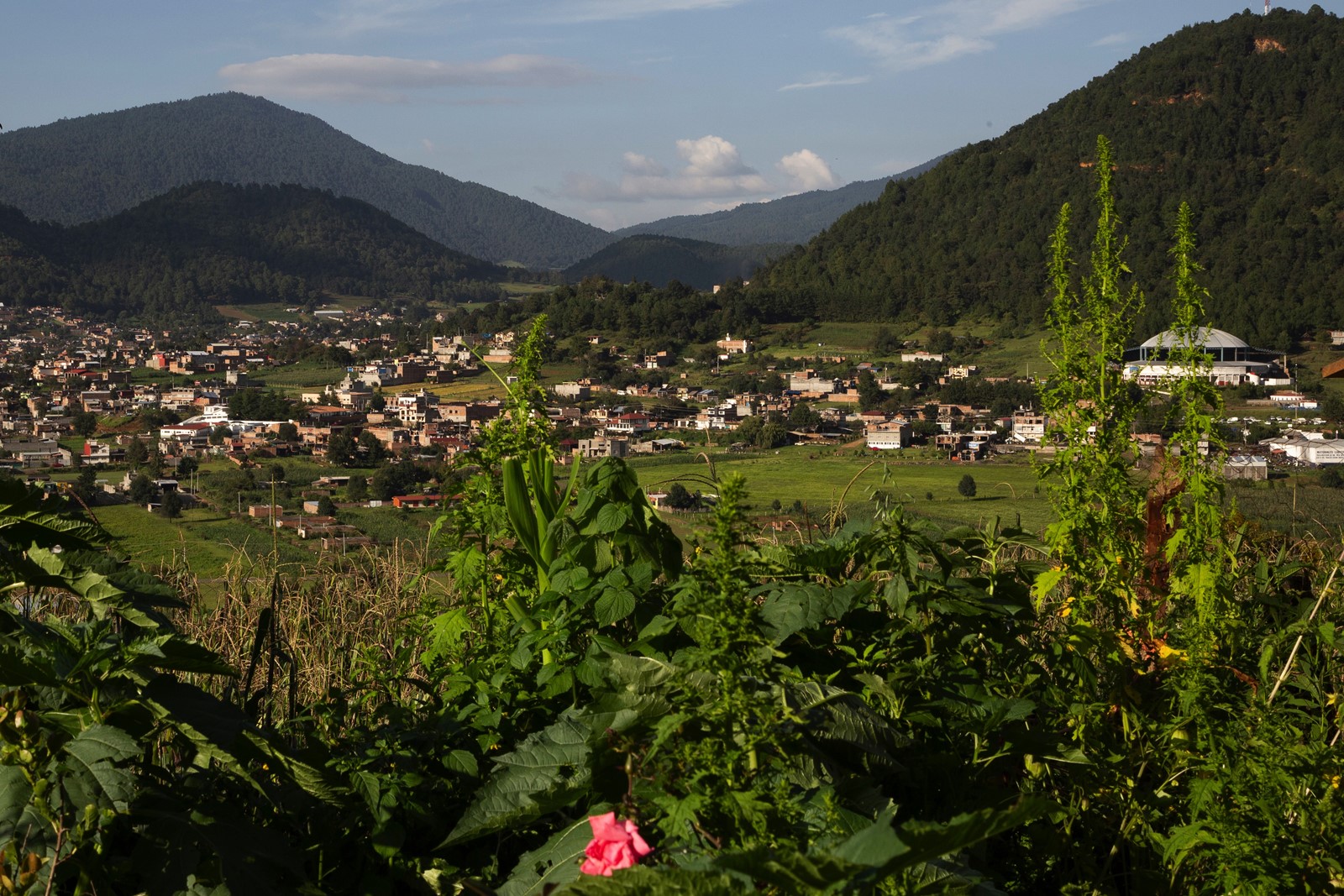
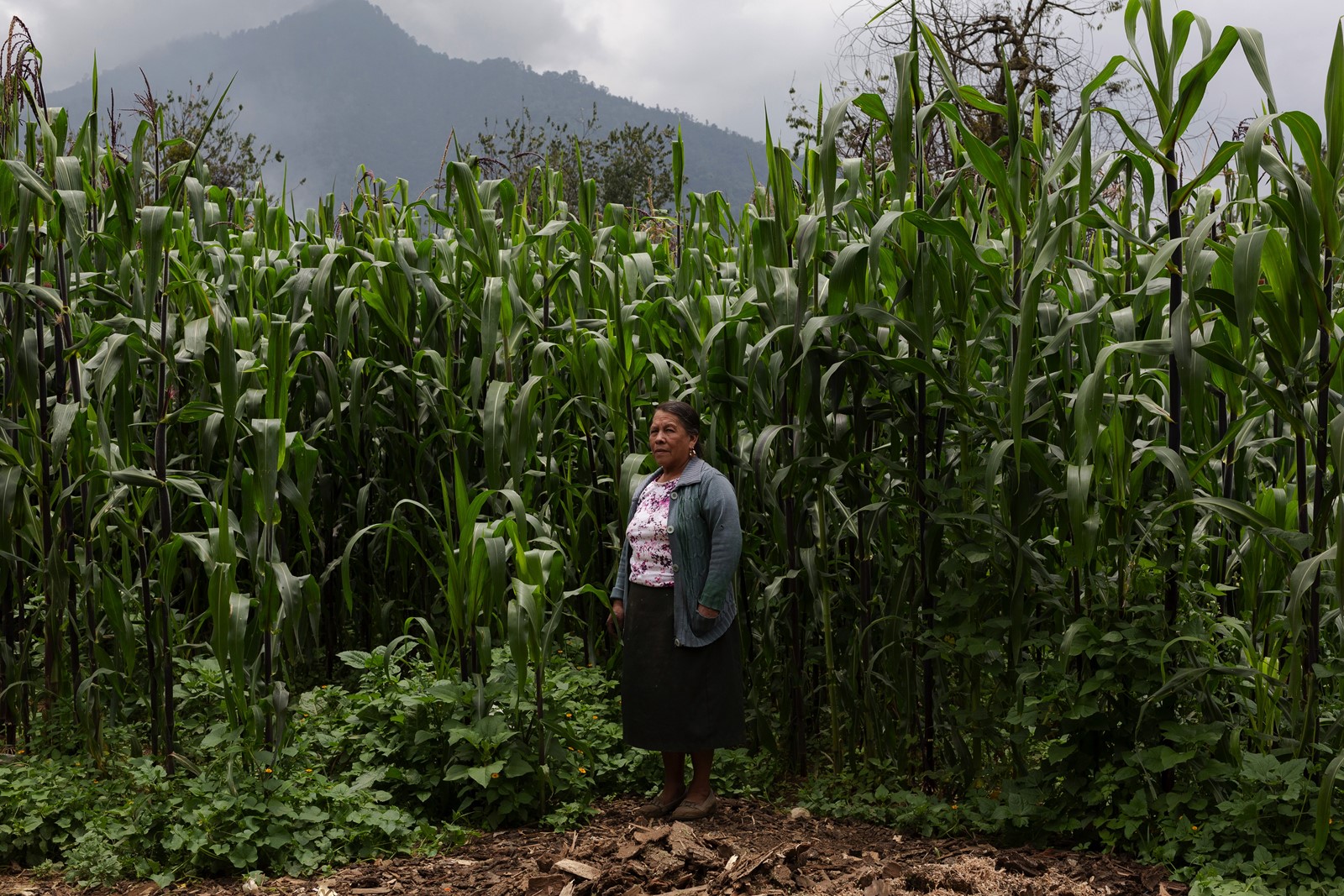
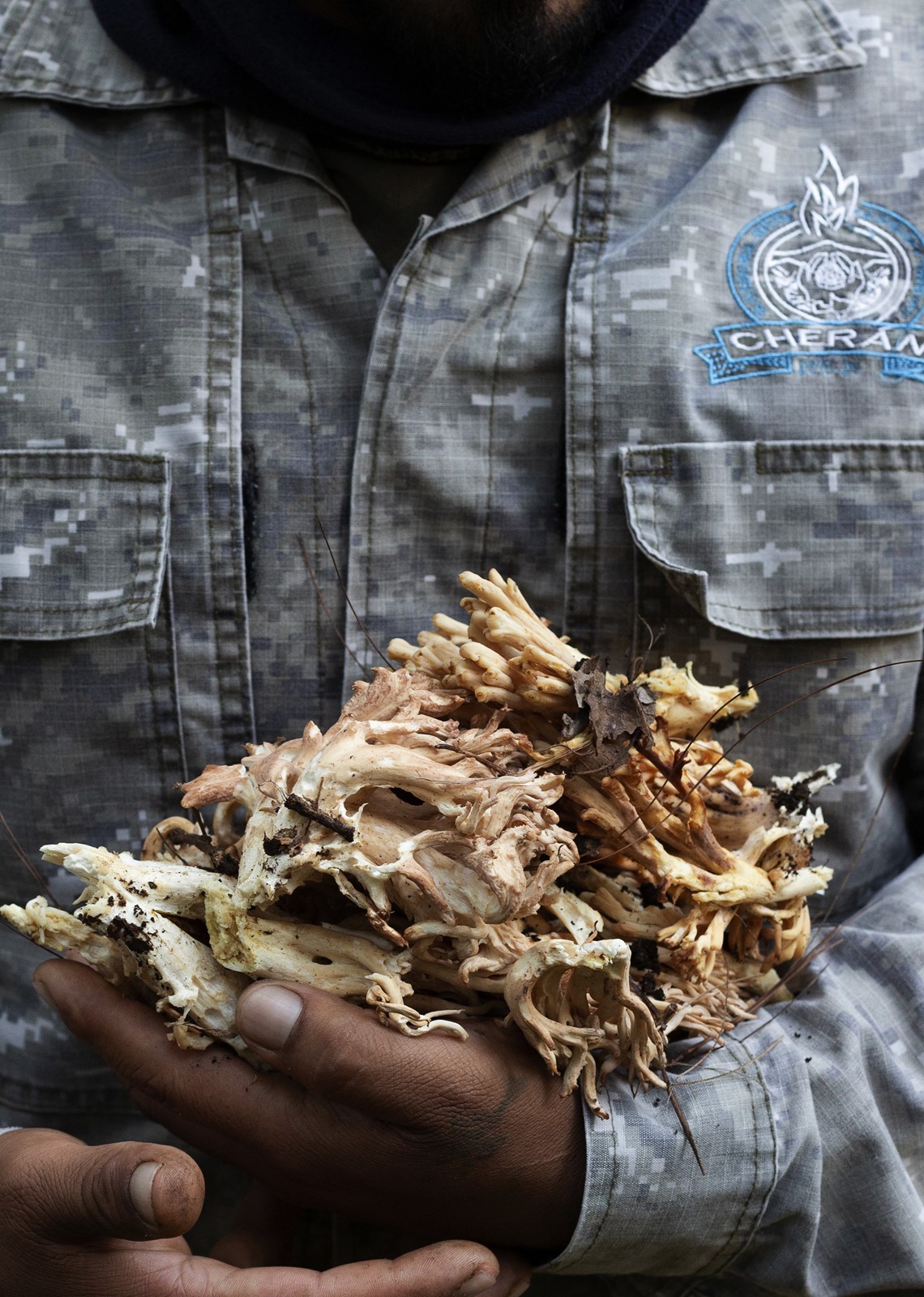
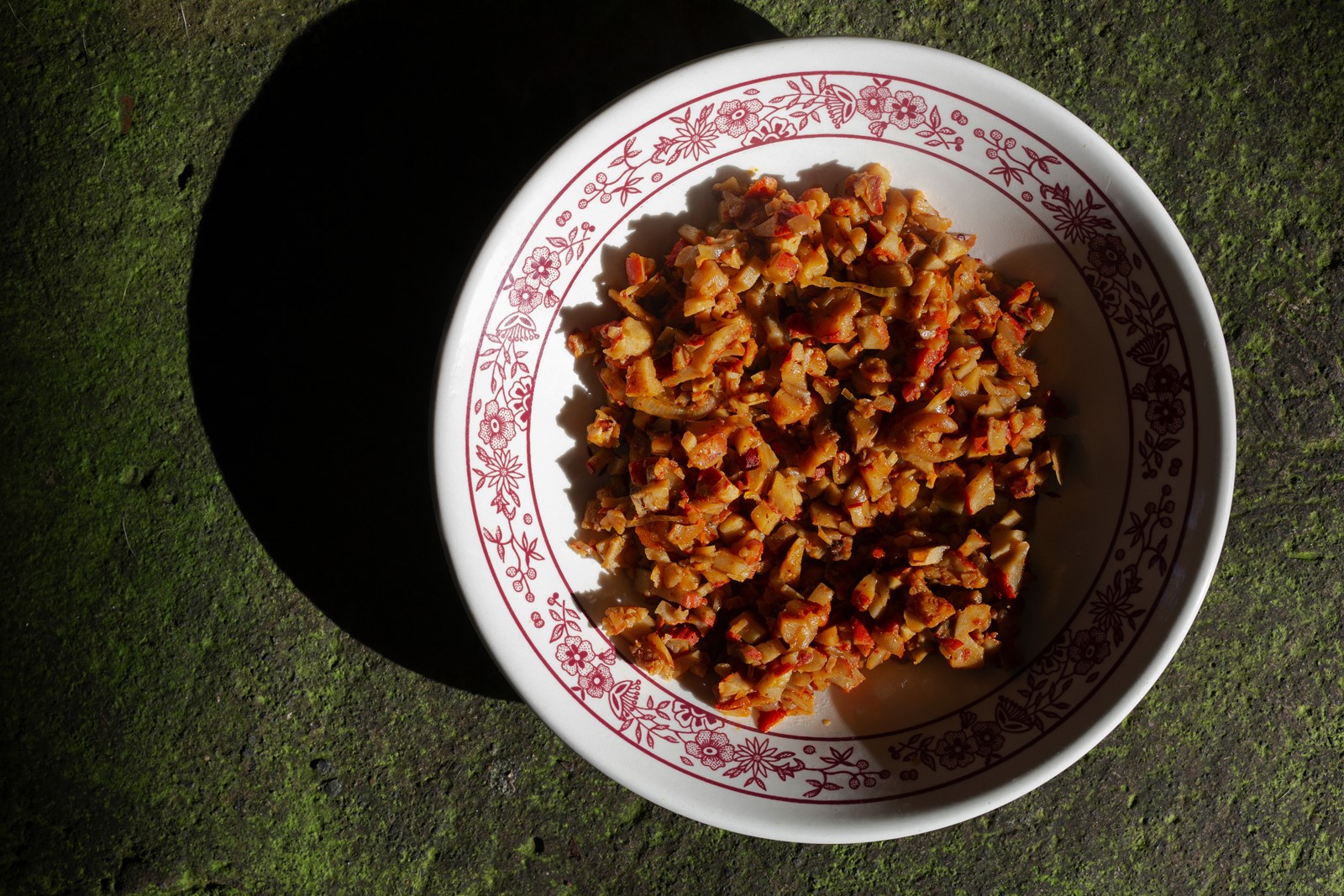
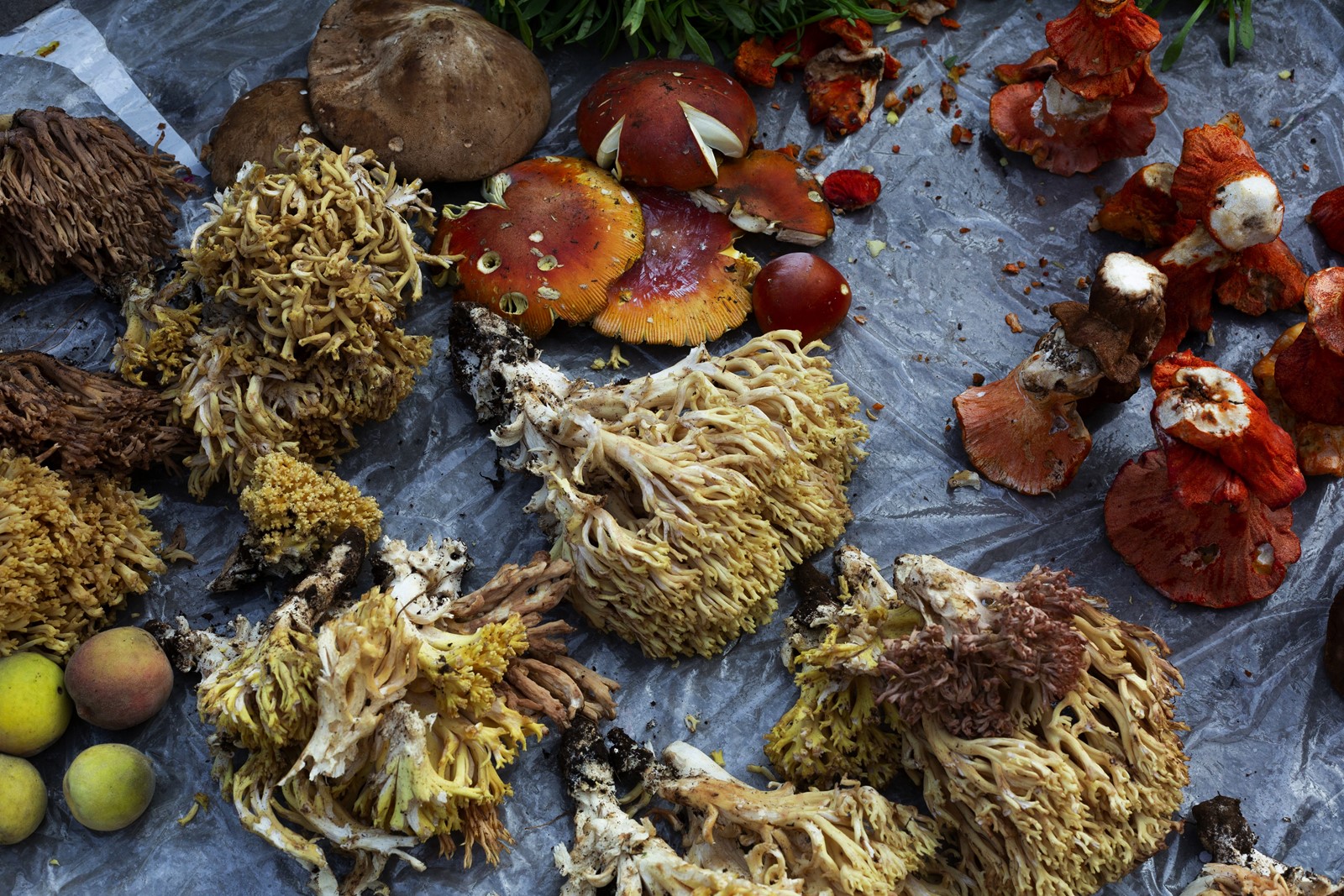


For the duration of the rainy season, those mushrooms dominate the indigenous Purhépecha town’s Saturday and Tuesday markets, laid out in geometric piles among fistfuls of wild greens and opaline stalks of blue and pink corn.
First come the
“In mushroom season,” Campanur, 32, says, “you can suffer a little less.” Campanur’s family has collected and sold mushrooms for generations, yet as recently as a decade ago, the tradition was at risk of disappearing. Illegal logging began around the edges of Cherán’s expansive municipal territory, which covers nearly 52,000 acres, in the early 2000s. In 2008, loggers from a neighboring village formed an alliance with a local cell of the Knights Templar Cartel, which was eager to clear the land for lucrative avocado farms.
Over the next four years, the loggers poured like termites over the volcanoes, sometimes clearing more than 124 acres in a week. Trucks loaded with wood rattled through town as many as 250 times each day, according to Miguel Macías Sánchez, current president of the Council for Community Property, escorted by armed guards who aimed their AK-47s at anyone who questioned them. According to a study from the Universidad Michoacana, some 19,800 acres of woodlands were cleared by 2011, about 70% of Cherán’s total forested territory. Some in town call that number modest, saying the destruction came closer to 30,000 acres or more. Murders, disappearances, extortion and kidnapping became commonplace. Mushrooms couldn’t grow without the detritus of falling leaves, and families such as the Campanurs stopped going to collect them for fear they might not come back.
Then, on April 15, 2011, the people of Cherán rose up. Led by 15 women armed with sticks, rocks and firecrackers, they drove the loggers out, sealed five hostages in a stone chapel using only their worn cotton shawls, and barricaded the entrances to town with burnt-out trucks. When the police and the municipal president — whose 2008 election, many surmise, was bought by the cartels — came with more armed men to release the hostages, the women drove them out too, along with the old political order.
Nine years later, Cherán and its democratically elected 12-person council have set an example of good governance in a state beset with mismanagement and violence. Though still recipients of federal funding, Cherán has barred entry to all politicians, political parties and state police, operating instead under a system known as Uses and Customs, which allows indigenous peoples to administer themselves by their own rules.
According to the Council for Communal Property, Cherán has replanted nearly 80% of the land devastated by the loggers, known to most as the
Revolutionary
Though the uprising lasted only a few hours, the 189 bonfires, or
At first, the
“The movement was a kind of mirror that allowed us to get to know our roots,” says José Trinidad Ramirez Tapia, 66, a member of the first town council, elected seven months after the movement began, and of the provisional committee that guided the community through the intervening period. “It was at the
Meals began with whatever arrived in the relief packages sent from relatives in the U.S. and sympathizers across Mexico but soon became opportunities for the older women who had led the revolution to pass down recipes while sharing their memories of how the town worked before the arrival of state police sometime in the 1970s.
They taught their neighbors to grind onions and guajillo chiles into thick, warming stews called
For Rosa Huaroco, 26, who has spent the last four years researching and recording her community’s culinary and oral traditions, “The
“When I went to study, I assumed I would leave and not come back. Really ugly things were happening,” she says.
But the
“It went beyond just traditional cooking to the relationship we have with our territory,” she says, which is to say to the core of the movement itself. Since then, “There’s a lot more valorization of our identity, which is something we’d lost.”
Centuries of oppressive policies, first by the Spanish and later by the modern Mexican state, had left many Purhépecha communities ashamed of their ancient culture, the only Mesoamerican civilization south of the northern deserts to have resisted the imperial Aztecs. Smaller communities maintained their mother tongue, but in Cherán, a municipal seat and commercial hub for surrounding villages, the language faded.
“People would be humiliated for speaking Tarasco when they left town,” says Josefina Estrada Velazquez, 64, one of the 15 women who led the April 15 insurgency. “They didn’t want to be Purhépecha.” Some smaller towns where Purhépecha remains the first language remember coming to Cherán for secondary school and being mocked for using the language. Thousands migrated from Cherán to bigger cities or to the United States — according to some estimates, there are as many Cherán natives in the U.S. as in Cherán itself — but few maintained close ties to Cherán’s traditions. They did come back with aspirational, “modern” foods including hamburgers and fries. The time-consuming work of traditional cooking and ingredients foraged from the wild were denigrated as relics from an impoverished past.
“People were really ashamed to sell things like mushrooms and wild greens in the market because that was work for poor people,” Campanur says. But in the rainy months that followed the movement, with money and supplies running low, groups of men started joining the forest guard to search the woods for edible fungi.
Mushrooms became a fixture at the
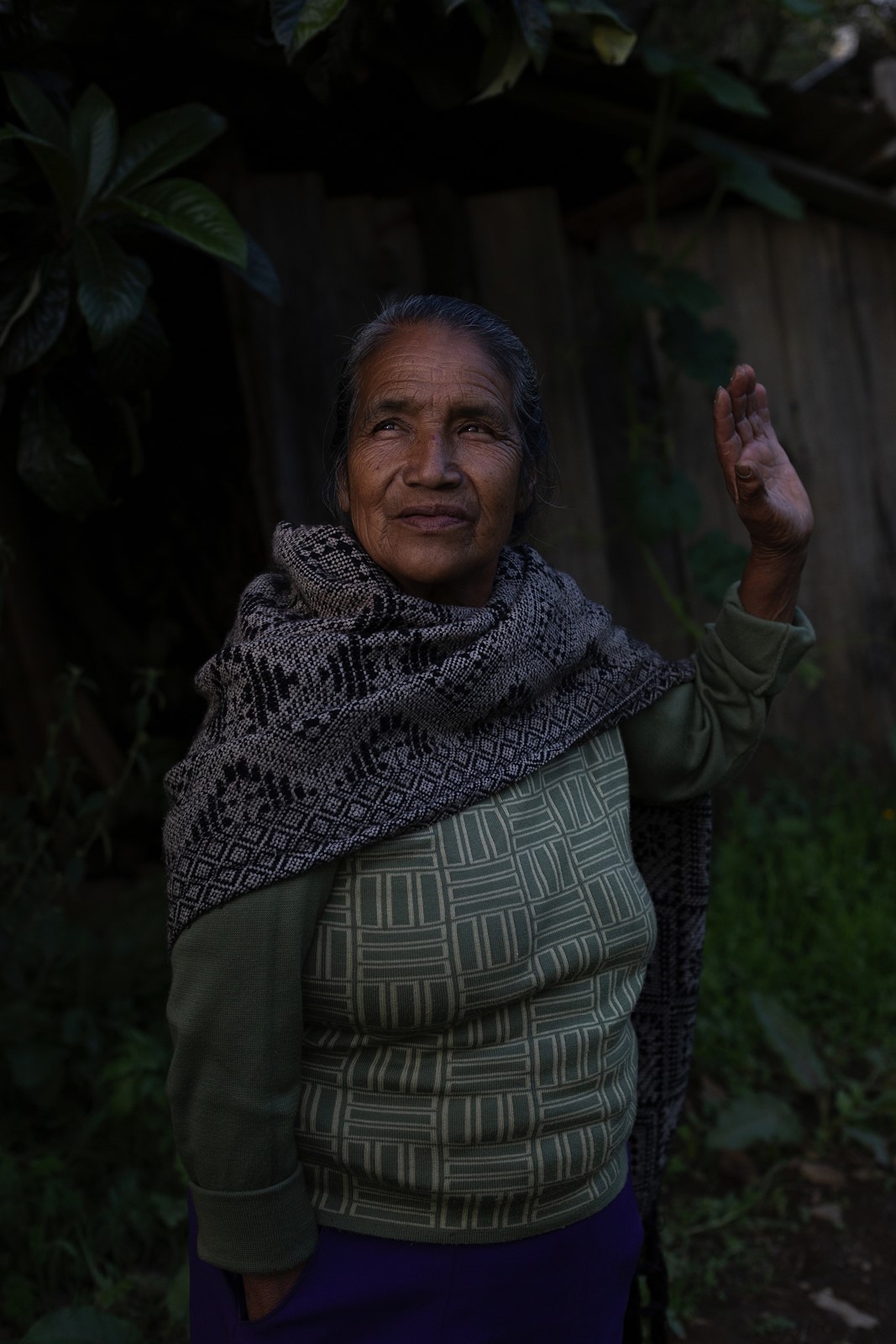
“After the movement, there wasn’t a single house that didn’t eat mushrooms: That’s what helped us to recover in those difficult years. It’s how we sustained ourselves,” says Imelda Campos, 65, better known as Doña Mela and widely considered the finest traditional cook in town. “Cherán was always a big town with a strong heart. Our food is our strength.”
Indigenous strength
Since the uprising, those words — “Our Strength,” rendered in Purhépecha as
Cherán was not the first town in Michoacán, much less in Mexico, to agitate for a degree of political autonomy, yet its success and its circumstances are unique. Few entirely indigenous communities are so large or have so much support from relatives elsewhere, and few have transformed their communities so dramatically without creating a power vacuum for other forms of corruption and violence.
The recuperation of Cherán’s traditions remains, of course, incomplete. Huaroco is one of a group of young people working to revitalize the town’s indigenous culture, interested “in returning to our origins and understanding them in a contemporary context.”
But many of her peers, she says, would still prefer to eat a crepe or a burger than spend hours tending an open fire or grinding pumpkin seeds for fragrant, nutty pots of
Children born after the movement, Huaroco points out, will grow up having never known political parties and shopping in markets where mushrooms are called by their Purhépecha names. Signs posted at the town hall offer quick lists of Purhépecha words and fliers outside advertise immersion courses, some of them taught by Doña Mela, who uses cooking as a vector for teaching language.
“Today,” says Trinidad, “we’re Purhépecha by choice.” Culture, as Huaroco pointed out, is not static, and neither, says Trinidad, is government. Cherán has no constitution and each of its three administrations has added new councils to better adapt to changing circumstances.
“Our system is never complete,” Huaroco says. “And nothing else will be if we don’t keep developing our love for our community — and food is a part of that.” To do that work, Trinidad hopes to revive the
As of now, there is only one
On a recent Sunday, well after sundown, Mary García Romero, the youngest of the group, drags an enameled spoon through a tangle of bird’s feet mushrooms wilting slowly into a thick red
As the night wears on, the women share recipes and compare notes on ongoing problems in the community. Up the street, a young man shouts drunken expletives into the darkness. Rosa Fabian Romero, seated on a log laid out across the uneven pavement, turns up the radio, tuned to the frequency of the community station, called Radio Fogata, to drown him out, while Angeles Tomás Sánchez calls the
“We should have used more guajillos to give the
Cherán is safe now. Young women go jogging in the forests alone. Neighbors look out for one another. The forest guards, Campanur complained good-humoredly, barely train anymore. Whole families go to the hills to hunt mushrooms, a delicacy brought back from the brink. Yet these women continue their vigil. “We come to the
Mary García drizzles a stream of red liquid onto her palm, licks it away and throws another handful of salt into the pot. She nods. “Things can always be better.”
